‘People had to stand up for themselves’
The 1981 Brixton riots had a huge impact on Britain – changing views on identity, racism and culture.
But why did they happen, and what is their legacy?
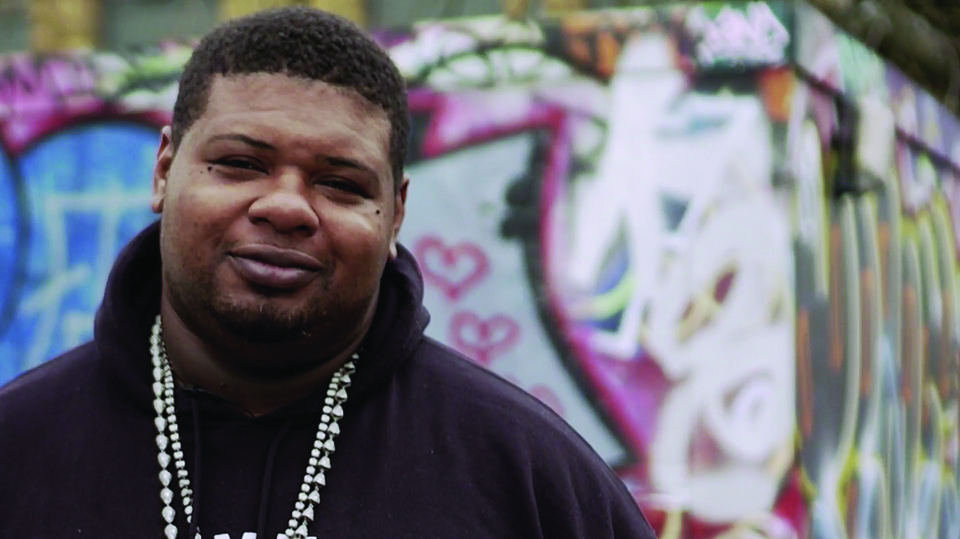
An eight-part podcast hosted by Big Narstie has been launched to answer these questions.
Brixton: Flames on the Frontline tells the story from the perspective of those who were involved, using interviews, archive audio, music and dramatised scenes.
Brixton-born rapper Big Narstie said: “The reason I wanted to take part in this podcast is because I’m a Brixton native, and it’s part of my culture and heritage.
“The significance of the Brixton uprising was that people decided they would no longer sit quietly and be a beating stick – people had to stand up for themselves.”
The podcast recounts important events in the UK’s black history, including the use of police stop-and-search ‘SUS law’ in the 1980s.
It also covers the rise and impact of the National Front, the tragedy of the New Cross Fire, and the landmark demonstration, The Black People’s Day of Action, which followed it.
Big Narstie said: “The Brixton uprising was the start of a process. Things have changed for the black community in the sense that people are no longer scared to fight for freedom or to stand up for themselves.
“It wasn’t just the black community who took part in the uprising – a lot of people tend to forget this. While it was predominantly a black protest, other colours and creeds could see what was happening and felt the need to join in.

“The riots were largely about black people but white people could also see there was oppression. It happened because people felt they were being persecuted and oppressed.”
Dramatic monologues featured in the series are written by award-winning playwright Roy Williams.
They are performed by Nathanial Curtis, Sheyi Cole, Valentine Olukoga and Peter Bankole.
People interviewed in the series include leading figures of the Black Power movement, Leila Hassan-Howe and Farrukh Dhondy and former police officer Peter Bleksley.
Paul Simonon of The Clash, who was one of the white protestors at the 1976 Notting Hill Carnival, is also interviewed.