Pet’s Corner Q&A
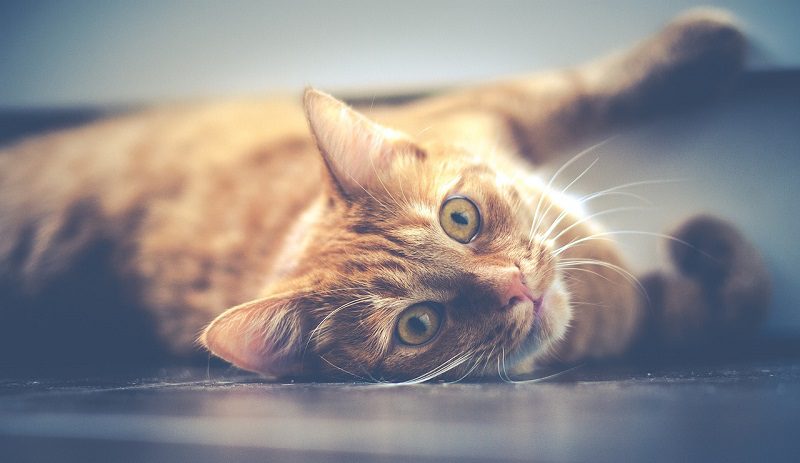
My cat, Sid, keeps limping after he’s been lying down. I can’t see any injuries and he doesn’t do it all the time. What could be wrong?
Limping after a rest can be a sign of osteoarthritis, a condition that makes joints sore, stiff, and inflamed.
There are a few other potential causes for Sid’s limp, including a foreign object in his paw, a break, or a sprain or strain, however, most of these are less likely to worsen after a rest, and would usually be present all the time.
It is important you get Sid checked over by a vet to determine the cause of his discomfort and get him the treatment he needs.
If he does have osteoarthritis, this can be managed with help from your vet and he can continue living a happy, healthy life.
For more information on arthritis, visit: www.pdsa.org.uk/catarthritis
My guinea pigs keep eating their own poo. Does this mean they’re hungry and I should be giving them more food?
While this may seem strange, eating their own poo is part of guinea pigs’ natural digestion process.
Their digestive system is designed in this way to ensure they get every last bit of nutritional value out of their diet to keep them healthy.
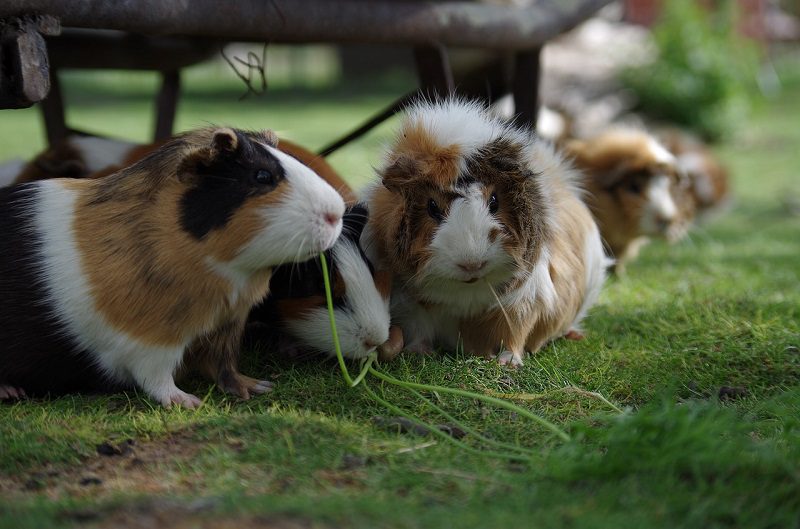
What you’re seeing them eat is a soft sticky pellet called a caecotroph.
Your furry friends will eat this soon after passing it, absorbing any missed nutrients, and then it will reappear as the harder pellets that you may be more used to seeing.
If you have any concerns about how much you are feeding your piggies, you can always speak to your vet.
For more information on feeding your guinea pigs, visit: www.pdsa.org.uk/guineapigdiet
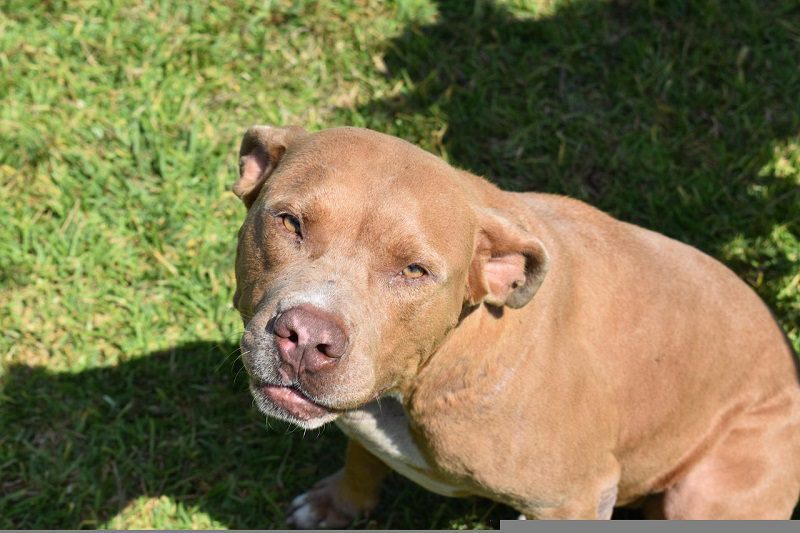
We recently rescued a two-year-old dog called Willow. When we first arrived home, she refused to walk up the stairs – even the ones running up to our front door. Is there anything we can do to help with her fear?
Willow’s fear of the stairs could be related to a previous unpleasant experience, because she is unfamiliar with them, or because she finds going up steps uncomfortable – make an appointment with your vet to check for underlying medical problems.
Use gentle, positive training to help Willow feel happier about steps.
Start with allowing Willow to approach the stairs as close as she feels comfortable with, giving her praise and a reward such as a tasty treat if she stays calm.
Gradually get closer to the steps until she is happy to start stepping onto them.
Willow should stay happy and calm throughout, – if she gets stressed, take a step back.
If you are struggling, contact a certified behaviourist for advice.
Picture: Cat – Pixabay / DariuszSankowski