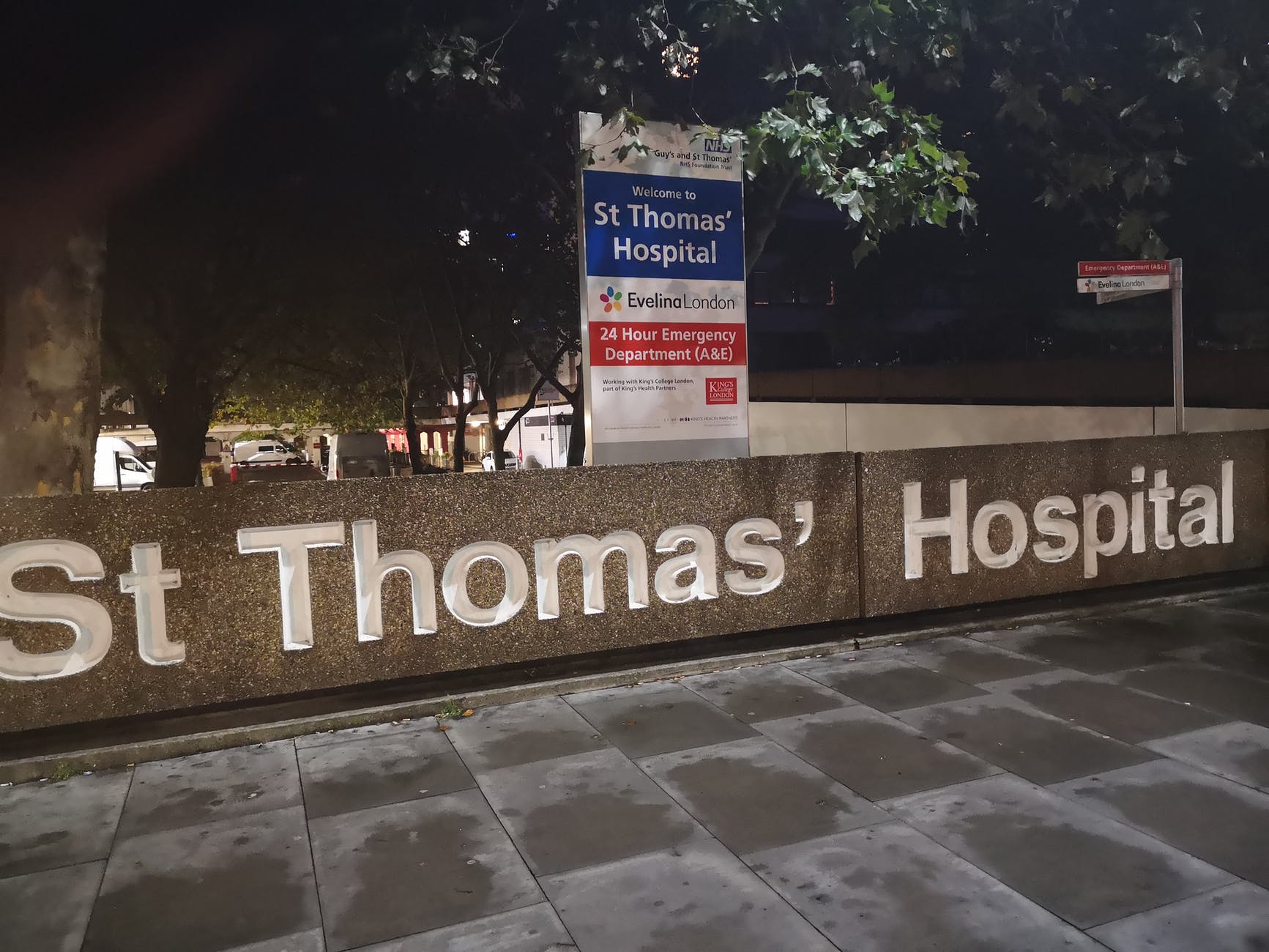
Hospitals are failing to reach their required cancer targets
Two big teaching hospitals fell way below their cancer treatment targets during June, a survey has revealed – and both are performing worse than they did at the peak of the pandemic and even more poorly than last year.
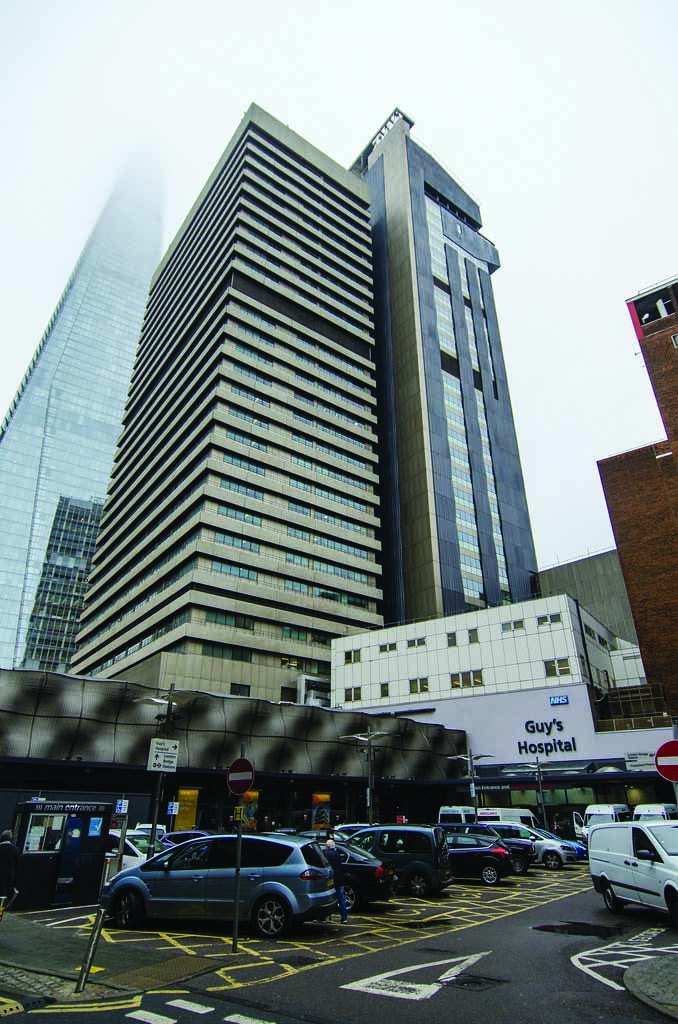
Guy’s & St Thomas’s Hospitals in Waterloo and King’s College in Camberwell missed the targets set by the Government for having cancer patients treated within 62 days.
Just 51 per cent of patients at Guy’s and St Thomas’ NHS Foundation Trust were being treated within the target 62-day waiting time, NHS England figures show.
The current NHS target is 85 per cent. Guy’s and St Thomas’s figures for May 2020 were also well below the target – only 54 per cent of patients were being treated within 62 days.
And their figures for June were more than a fifth – or 21 per cent down on the same time last year, when the portion seen in time was 72 per cent. King’s College Hospital Foundation Trust was slightly better but still fell well short of the target.
Only 60 per cent of patients at King’s were receiving treatment for cancer within 62 days of their diagnosis in June 2020.
The hospital’s performance had also fallen sharply in a month – during May, 65 per cent of patients were getting treated within 62 days.
And neither did King’s achieve its targets for having an urgent possible cancer patient seen by a consultant within 14 days of a doctor signposting a possible cancer scare.
The NHS target is 93 per cent. During June 2020 only 84 per cent of patients at King’s College NHS Foundation Trust were being seen by a specialist within a fortnight.
The figure in May was almost five per cent higher, at 88 per cent. King’s portion being treated has also fallen markedly in a year. The figures for patients getting treatment within the 62-day timescale fell by 10 per cent when compared to June 2019 – and the data for the 14-day target had fallen by 10 per cent.
The statistics were revealed in a review of NHS figures by Blackwater Law, who say the delays were due to the coronavirus pandemic and resources being allocated to treating affected patients instead.
Jason Brady, Partner & Head of Blackwater Law said: “It is concerning to see that targets for both the 62-day cancer treatment and 14-day urgent referrals are being missed. Understandably, the Coronavirus pandemic has put a huge strain on NHS resources.
“At Blackwater Law we unfortunately see the impact of delays on patient outcomes and we wouldn’t want non-coronavirus patients to be indirectly affected due to the virus.”
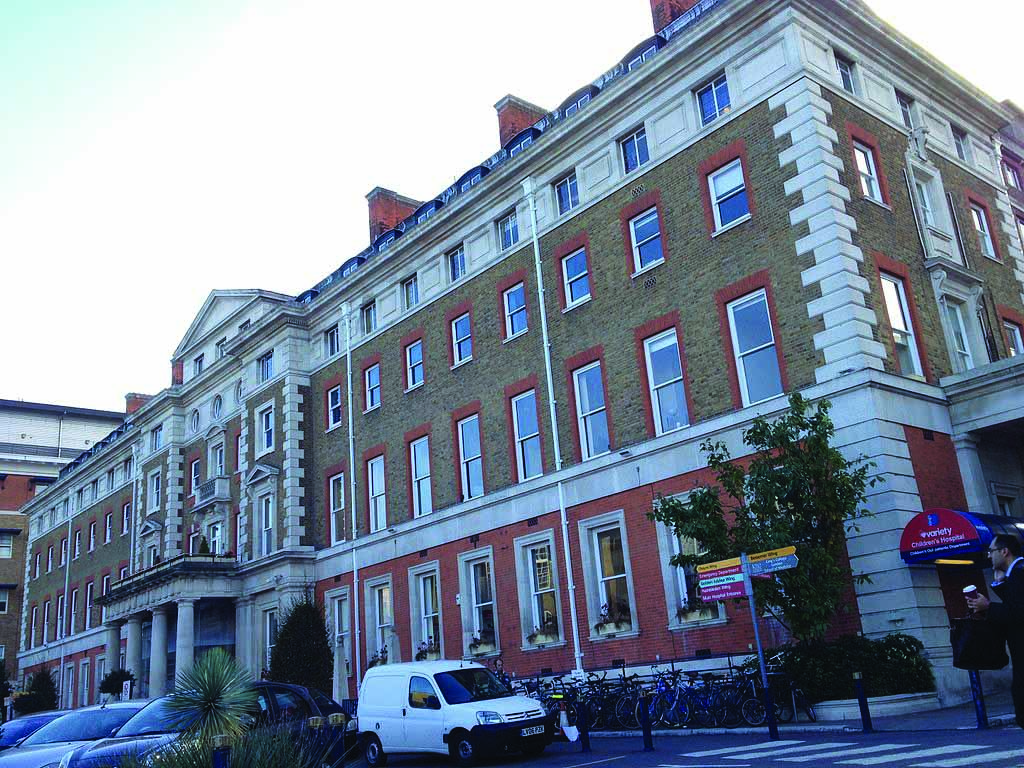
A spokeswoman for King’s College Hospital said: “Following our response to the Covid-19 pandemic earlier this year, we have been working hard to reinstate our services quickly and safely. Patients with suspected and confirmed cancer have been a priority group.
“While some cancer patients continued to be treated throughout the pandemic, diagnostic tests and treatment were paused for others.
“This was due to shielding patients not being able to attend appointments, a reduction in operating capacity as surgical staff were redeployed, and some patients actively choosing to postpone treatment.
“As services have resumed, we have seen an increase in cancer referrals – from 1,314 in April to 2,905 in June – and we have managed to reduce the number of patients waiting for treatment.
“We continue to work with partners across South-east London to treat patients as quickly and safely as possible.
A Guy’s and St Thomas’ NHS Foundation Trust spokeswoman said: “To help manage increasing demand for our services as a result of Covid-19, we had to prioritise our cancer patients based on clinical urgency.
“But in June we were able to start treating those patients who had waited the longest, in line with national guidance, and we are pleased that the number of patients now waiting is lower than it was before the pandemic.
“Despite the challenges, we continued to provide treatment for our cancer patients throughout this period, including chemotherapy and radiotherapy, and this was made possible by new ways of working and partnerships with local private hospitals.
“Our staff remain absolutely committed to ensuring all patients get the treatment they need as quickly as possible.”