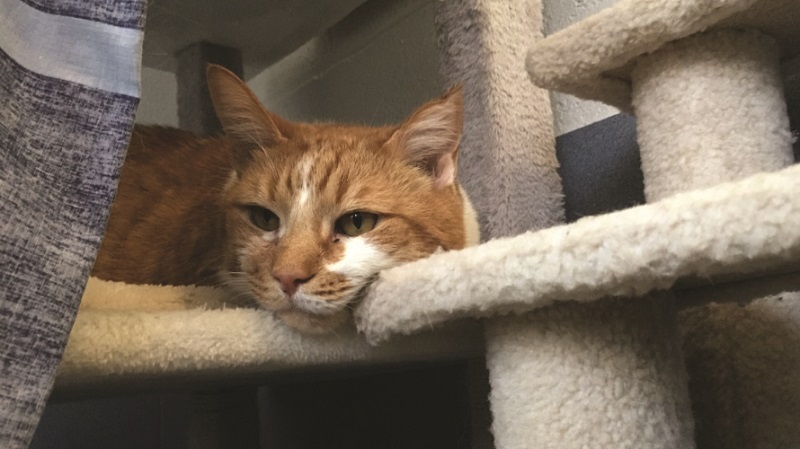
Top tips to prevent your cat getting FIV
Many of us will be aware of the important fight against HIV, but it’s a lesser-known fact that our feline friends can suffer from a similar disease, too.
PDSA Vet Nurse, Nina Downing, said: “FIV (Feline Immunodeficiency Virus) belongs to the same family of viruses as HIV, yet many pet owners are unaware of the dangers of this uncurable condition.
“By understanding the virus and its symptoms, we can help protect our precious cats and prevent the disease from spreading.”
What is FIV?
FIV is a condition specific to cats which damages their immune system, making it harder for them to fight off common illnesses and making them much more prone to infections that they struggle to recover from.
While sharing similarities to HIV in humans, we are not at risk of FIV from our feline friends, as it can only be transmitted cat to cat.
As the disease spreads through saliva, it is usually passed on through bites.
Less commonly, it can also be spread between cats when grooming each other and, rarely, from a mother to her kittens when they are in the womb.
FIV positive cats can live in households together with other cats, as long as they get on and don’t fight.
Unneutered cats are more prone to fighting, so they are at increased risk of contracting the disease.
What are the symptoms?
Symptoms of FIV often develop slowly and can take a few years to present themselves.
Once they start to appear, you may notice your puss has recurrent infections and general ill health.
They may also have decreased energy levels, a sore mouth or gums, chronic diarrhoea, or swollen lymph nodes.
The virus can be diagnosed with a simple blood test, so if you are concerned about your feline family member then it is always best to take them to the vets for a check-up.
Treatment
Sadly, there is currently no cure or vaccination available for FIV, however, with regular vet check-ups to maintain their health, many cats will live a long and happy life.
There are antiviral medications available that can improve some of the symptoms, but sadly won’t improve life expectancy and they can carry the risk of side effects. The medications tend to be expensive, and many cats do perfectly well without them.
Due to their weakened immune systems, it is important to protect your cat from infections.
The best way to do this is to keep them indoors and away from other cats, maintain good health through a regular flea and worming programme and vaccinate with vaccines suitable for their condition.
Be cautious not to put your cat at further risk of infections, so avoid feeding raw meats or unpasteurised dairy products.
To give your furry friend more space to explore, you can consider a cat proof enclosure for your garden where they can enjoy the outdoors.