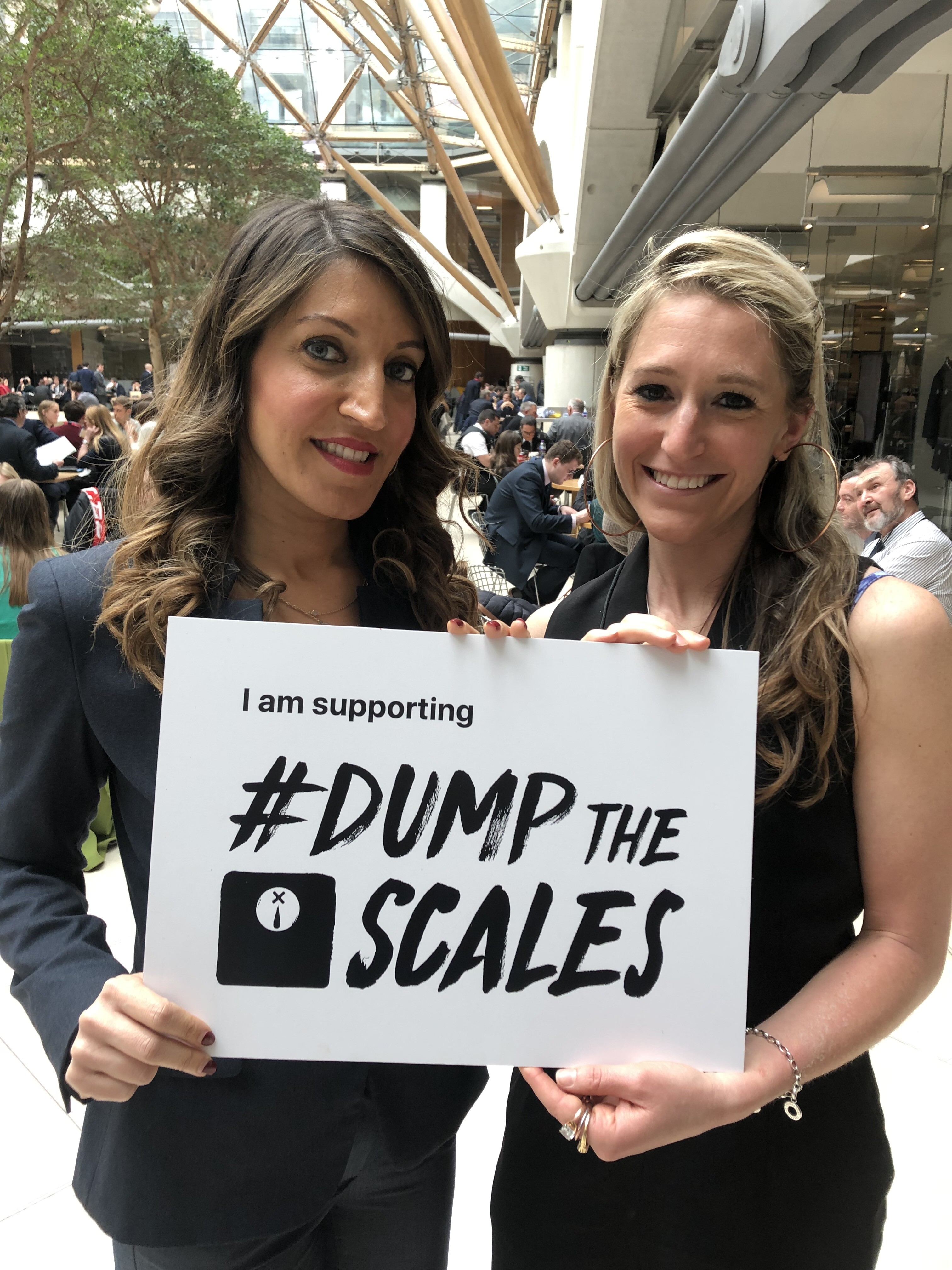
Campaigner calls for government to review eating disorder services after referrals rise by 75%
A campaigner is calling for the government to improve treatment for sufferers of eating disorders – after referrals have risen by 75% since the start of lockdown.
Hope Virgo, from Earlsfield, hosted an online event on February 9 which brought together MPs, healthcare professionals, charity workers and people with lived experience of eating disorders.
They created an action plan which called for the government to review the eating disorder services in England, increase early intervention and educate more people about the issue.
Tooting MP and frontline doctor Rosean Allin-Khan attended the roundtable – as well as Lib Dem MP Wera Hobhouse and Tory MP Caroline Nokes.
Ms Virgo said: “It was amazing bringing together MPs, campaigners, experts and people with lived experience to talk about eating disorders and the current state of services right now.
“What was already a system that was overwhelmed has become one where there is now so much need. People are just unable to access the treatment they need.
“For too long people have been unable to access support or treatment. Eating disorders have the highest mortality rate out of any psychiatric illness but this is not a fact that we should accept. With the right training, pathways, education, interventions and funding they can be prevented.”
The 2019 Health Survey found that 16 per cent of adults aged 16 and over screened positive for a possible eating disorder.
This included 4 per cent who reported that their feelings about food had interfered with their ability to work, meet personally and have a social life.
This is a 266 per cent increase in the last 12 years.
But it is often difficult for sufferers to find the support they need.
Anna*, who is a medical student, had suffered from anorexia as a young person but had been in remission for years when she became aware of some signs of relapse.
She sought help from the university counseling services, who referred her to a local eating disorder service in South West London.
Although the referral went through in November 2017, she didn’t get an appointment until March the next year.
The appointment went well, and Anna began to feel optimistic about her recovery.
However her hopes were quickly dashed when she received a phone call a few days later telling her the referral was rejected because her BMI was not low enough and she would be discharged without receiving any help.
She was told to try a different service, but when she looked it up she found it no longer existed.
Anna said: “I was sick to my stomach, so shocked and upset that I could hardly believe what I was hearing. I frantically tried to find a solution, but I just felt trapped, cornered in a distorted reality with no clear way out.
“The most difficult thing was that part of my agreement for staying at medical school was that I had to seek professional help for my eating disorder and attend all of my treatment sessions, but now the treatment I had so desperately wanted and needed had just evaporated.”
Following her discharge from the service, Anna took an overdose and ended up in hospital.
“The sickening fact is, that day, I regretted ever reaching out to eating disorders services. I wished that I had been a ‘more successful anorexic’ even though I know now that a ‘successful anorexic’ is a dead one,” she added.
Ms Virgo said: “We are calling on the government for a service review around eating disorders, investment in education so that all frontline staff get training on eating disorders and a plan to prevent people developing eating disorders.”
Dr Rosena Allin-Khan, Shadow Cabinet Member for Mental Health, said: “I am so proud of Hope and the work she has done to highlight the difficulties people with eating disorders have in accessing treatment.
“With eating disorders on the rise, we must do everything we can to support those affected.”
*Names have been changed.
Pictured top: Rosena Allin-Khan MP and Hope Virgo