Coroner says NHS England must examine policy over lifesaving drugs after death of Camberwell student
By Robert Firth, Local Democracy Reporter
A coroner has recommended that NHS England reviews how it deals with patients with so-called ‘cliff edge conditions’ like epilepsy and diabetes following the death of a student.
Charlie Marriage, 32, suffered a sudden unexpected death in epilepsy at his flat in Camberwell in June 2021, during a seizure after he was unable to get his anti-epilepsy medication.
The Brunel University student had spent two days unsuccessfully trying to get his anti-epilepsy drugs from medical professionals before he died on Saturday, June 27, 2021.
Speaking on Tuesday at the outcome of an inquest into the student’s death, Xavier Mooyaart, assistant coroner for Inner South London, said there were ‘clear cohorts of patients’ who might be ‘similarly vulnerable in the future’ if they were not ‘appropriately advised’.
Mr Mooyaart said these people included patients with epilepsy, as well as diabetes and heart failure patients, who might be at risk of death if they didn’t get their medication early enough or in sufficient quantities.
He said that his recommendations would require consideration at a ‘national level across several systems’, adding that NHS England, which provides the majority of healthcare in the UK’s largest country, was best placed to carry out such work.
Mr Mooyaart added: “The fact of this is not a criticism of NHS England but to acknowledge they have the privilege of being in the best position to consider this [and prevent future deaths].”
Before his death, Charlie had managed to get a dose of Fycompa — an anti-epilepsy drug — that he had found at his girlfriend’s house. But the medication was out of date and he took a lower dose than usual.
Mr Mooyart said the lack of Fycompa and other anti-epilepsy medication likely contributed to Mr Marriage’s increased risk of having a seizure and the severity of any seizure.
Mr Mooyart added that he had identified ‘evidence of many failures’ in how a doctor’s surgery, a Superdrug pharmacy in Camberwell and NHS 111 dealt with Charlie in the days leading up to his death.
Henrietta Hastings, Charlie’s mother, previously told the inquest that her son became stressed and anxious while trying to get his medication from a Superdrug in Camberwell on the Saturday before his death.
Ms Hastings said that she and Charlie spent three hours at the pharmacy trying to get his anti-epilepsy drugs before giving up after realising it wasn’t in stock.
Charlie received a text message from NHS Test and Trace on the Thursday (June 24, 2021) before his death telling him to self-isolate due to possibly coming into contact with Covid-19.
Realising he would not be able to collect a repeat prescription as usual from his university pharmacy in Uxbridge, the following day he tried unsuccessfully to get an emergency supply of medication from a local pharmacy via his GP surgery.
On the Saturday (June 26, 2021), Mr Marriage tried calling NHS 111 multiple times and heading to the Superdrug in Camberwell to get his anti-epilepsy drugs, but again was unsuccessful. He died in the early hours of the following day while alone at his flat in Camberwell.
Mr Mooyart added: “It’s plain that attempts were made to take reasonable steps [to help Charlie] but these were ultimately ineffective.”
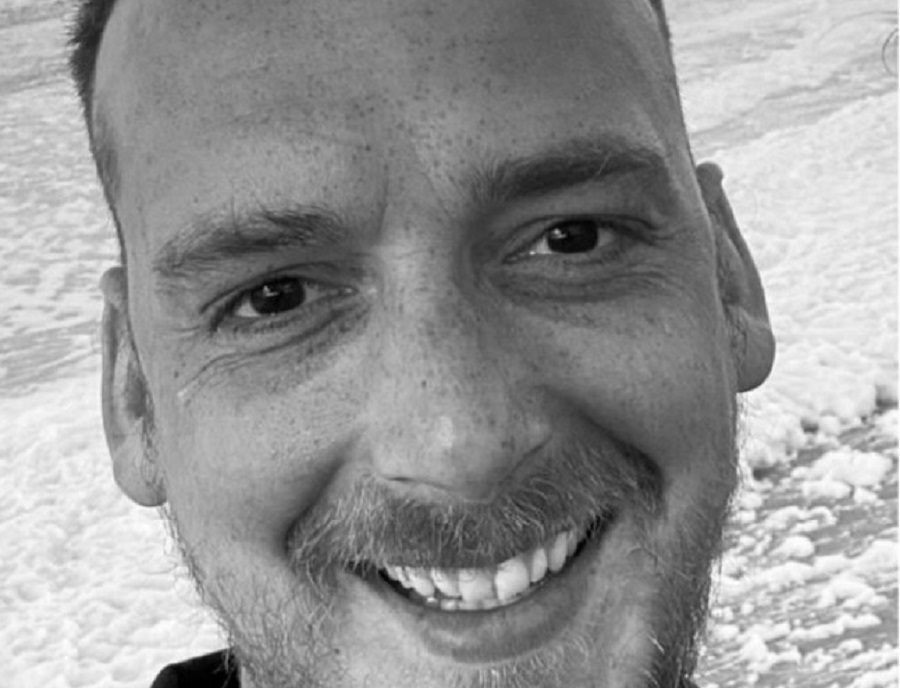
Pictured top: Charlie Marriage (Picture: LDRS/Supplied by family)