First World War flying ace remembered at RAF base
By Stephen Hayward
A First World War flying ace has been remembered at the RAF base where he made his tragic last flight.
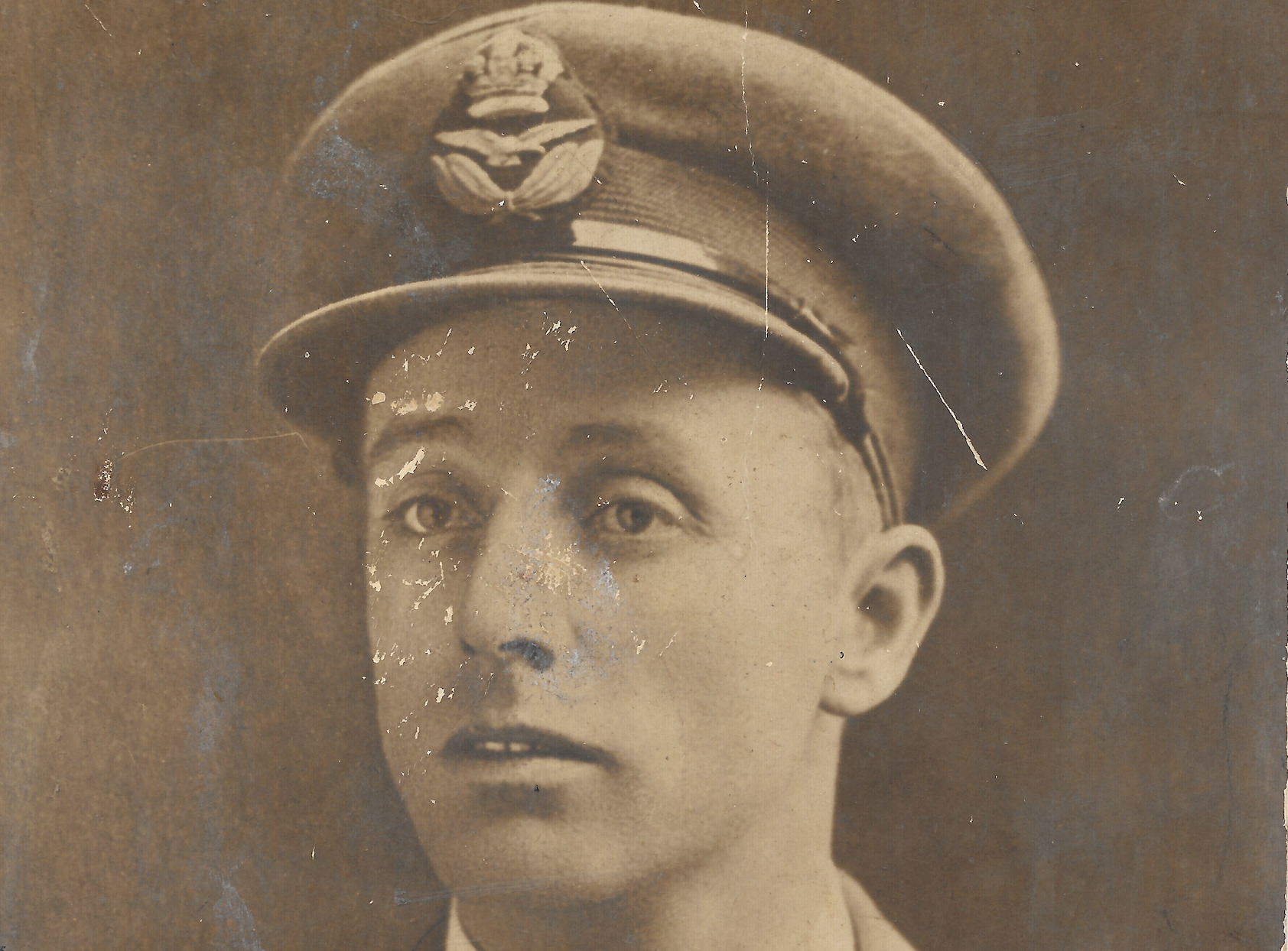
Flying Officer George Hayward, whose family lived in Brownhill Road, Catford, was teaching another airman to fly when their dual control biplane lost power and crashed in August 1924.
The 29-year-old flying instructor was killed along with his pupil, Pilot Officer Charles Brealey, 27.
Now tributes to the two officers have been unveiled at RAF Digby in Lincolnshire, where they were based, as part of a new display charting the history of the former training airfield from its opening in 1918 to the Second World War.
Flying Officer Hayward, one of three brothers and six sisters, went to Catford’s former Brownhill Road school and served as a second lieutenant in the Royal West Kent Regiment on the Western Front before retraining as an observer and rear gunner in the Royal Flying Corps, forerunner to the RAF.
He soon became one of the war’s top air aces, helping to shoot down 24 enemy aircraft in just six months, and was awarded the Military Cross for gallantry in 1918.
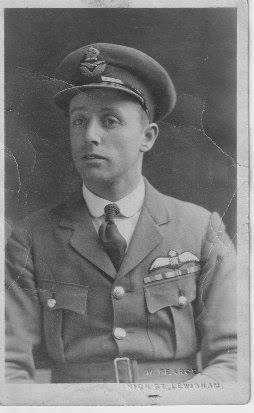
Later, he retrained as a pilot and as an instructor with the RAF’s No 2 Flying Training School, which moved to RAF Digby in June 1924, just weeks before he was killed. He was laid to rest with full military honours at Hither Green cemetery where the Haywards still have a family grave.
Photos of Flying Office Hayward and Pilot Officer Brealey, in their RAF uniforms, went on show for the first time when RAF Digby reopened its operations room museum on May 1.
The pictures were donated to the museum on the 100th anniversary of the fatal crash last August when the families of the two men visited the base and met for the first time.
The museum is housed in a Battle of Britain bunker, which has been restored to its former glory complete with plotting table showing the movement of aircraft, maps, wireless equipment and original wartime colour scheme.
RAF chiefs celebrated the reopening, which followed an 18 month refurbishment, with a military parade and the sounding of a Second World War air raid siren.
One of Flying Officer Hayward’s grandsons, Nick Hayward, who attended the reopening ceremony, said: “It’s great to see the pictures on display at the museum which can now be viewed by future generations of the Hayward and Brealey families.”
Pictured top: Flying Officer George Hayward (Picture: Stephen Hayward)