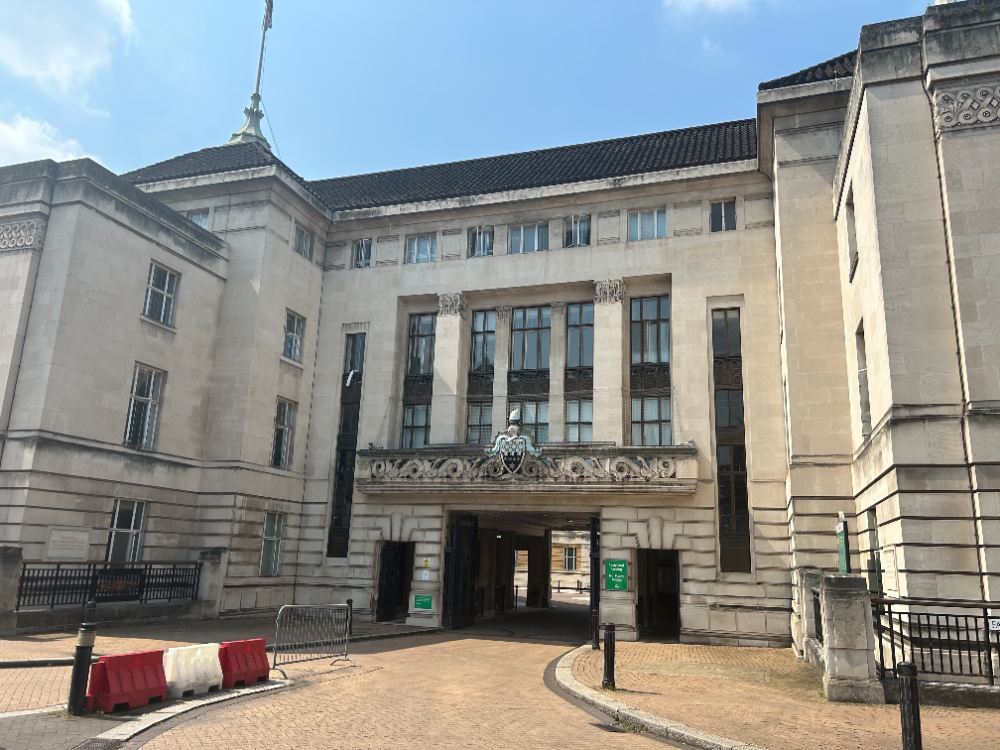
Southwark and Wandsworth councils investigated by The Housing Ombudsman Service
By Local Democray Reporter, Charlotte Lillywhite
A watchdog has revealed weaknesses in the handling of repairs by three London councils, after tenants were left living with severe disrepair.
The Housing Ombudsman Service said investigations into Southwark, Newham and Wandsworth councils, along with housing association Notting Hill Genesis, had offered vital lessons as they transformed their housing services.
The findings came after the ombudsman slapped each landlord with a wider order requiring them to independently review housing procedures, after complaints from tenants raised concerns. Results from the reviews included the introduction of a repairs policy, clearer timescales for repairs by third parties and system changes.
Southwark
The ombudsman issued Southwark Council with a wider order after it paid £17,000 in compensation for failing to deal with a leak for more than five years.
The couple’s home was left covered with mould, while they struggled to cook for their kids as their electric oven had water damage. The couple said the situation affected their family to the point their children would often not want to come home.
The following review of cases involving leaks in Southwark, ordered by the ombudsman, found the council needed to publish a leaks policy, introduce ways to assess whether residents were happy with repairs and speed up processes for residents to report issues in their home.
A Southwark Council spokesperson apologised to the family and said it was already seeing positive results from the review – including the introduction of a housing complaints team, improved escalation between repairs and tenancy colleagues and better links between the disrepair team and staff dealing with leaks. They said some actions related to processes and IT systems, which were being fed into a wider improvement project.
Wandsworth
Wandsworth Council received a wider order after failing to take “decisive enough action” to repair a leak from a leaseholder’s roof for four years. The investigation revealed the authority needed to be clearer about timelines and communication protocols for repairs. Co-operatives managing blocks now have a complaints policy that mentions the Housing Ombudsman and have trained staff, while the council has a new repairs system for residents to report complaints that wider maintenance staff can access.
A Wandsworth Council spokesperson confirmed it had made “significant changes” to prevent the same issues happening again, including changes among housing staff, new software to deliver annual roof inspections and an agenda item at the regular co-operative forum to review complaint outcomes and lessons learned.
Newham
The ombudsman also gave Newham Council a wider order after it delayed fixing leaks at a resident’s home, and failed to temporarily move them. This left her with damp, mould, dripping water and no working toilet for months. The council apologised for failing to meet its “high standards” in the case, and confirmed it had completed all repairs to the property.
The wider investigation led to the council introducing a repairs policy to improve efficiency and transparency, with key timescales, how it will hold itself to account on performance and what it can fix. The council added it had set up a strategy to make sure repairs were completed adequately, including more reviews to assess the quality of repairs, a new case management system to better track damp and mould cases and staff refresher training.
Notting Hill Genesis
The ombudsman ordered Notting Hill Genesis to review its repairs services after it “unnecessarily prolonged” fixing damp and mould in a resident’s property, which left them with disrepair for “an unreasonable length of time”. A Notting Hill Genesis spokesperson acknowledged it had broken its own damp and mould policy in this case, and that its handling of the repairs fell below the level of service it aimed to provide.
The review led to residents having greater say in the procurement of new repairs contractors for Notting Hill Genesis, along with more strategic oversight of its response to complaints. It is now logging more interactions on its systems to improve record keeping.
A Notting Hill Genesis spokesperson added the review had led to “meaningful improvements”, with action to quickly remedy any presence of damp and mould. It had also committed £770million to improve the quality of its homes and introduced a new dedicated complaints department to offer greater independence from staff directly involved in any complaint.
Greater powers
The Social Housing Regulation Act, which came into force in 2024, gave the Housing Ombudsman Service and Regulator of Social Housing (RSH) greater powers to drive social landlords to improve services and the quality of their homes.
While the ombudsman’s reviews were published on Thursday (May 15), they were carried out before the Regulator of Social Housing (RSH) inspected each landlord’s housing stock. The RSH published the results of the inspections in late 2024 and 2025, which saw Newham Council receive a ‘C4’ rating for its performance in meeting consumer standards – the lowest possible score. It slapped Southwark and Wandsworth councils and Notting Hill Genesis with a ‘C3’ rating, which is the second lowest score.
Richard Blakeway, Housing Ombudsman, said: “Complaints are a valuable tool for landlords as the sector actively seeks to improve services. These cases pre-date inspections by the Regulator of Social Housing. While issues identified in inspections will not always be evident in individual complaints, these complaints indicated concerns which were then identified in the inspection.
“The lessons from these independent reviews offer important insights for those landlords as they transform services. It also underscores how complaints can be an early indicator of emerging trends or unresolved issues that the landlord needs to grip.
“We know landlords are doing more to learn from complaints. However, this can still be inconsistent and only in response to our decisions rather than landlords themselves asking if issues could be wider than an individual case.
“Proactive learning from complaints can prevent residents experiencing distress, provide intelligence to the landlord on its services and support landlords to deliver outcomes against regulatory expectations.”
PICTURE: Charlotte Lillywhite