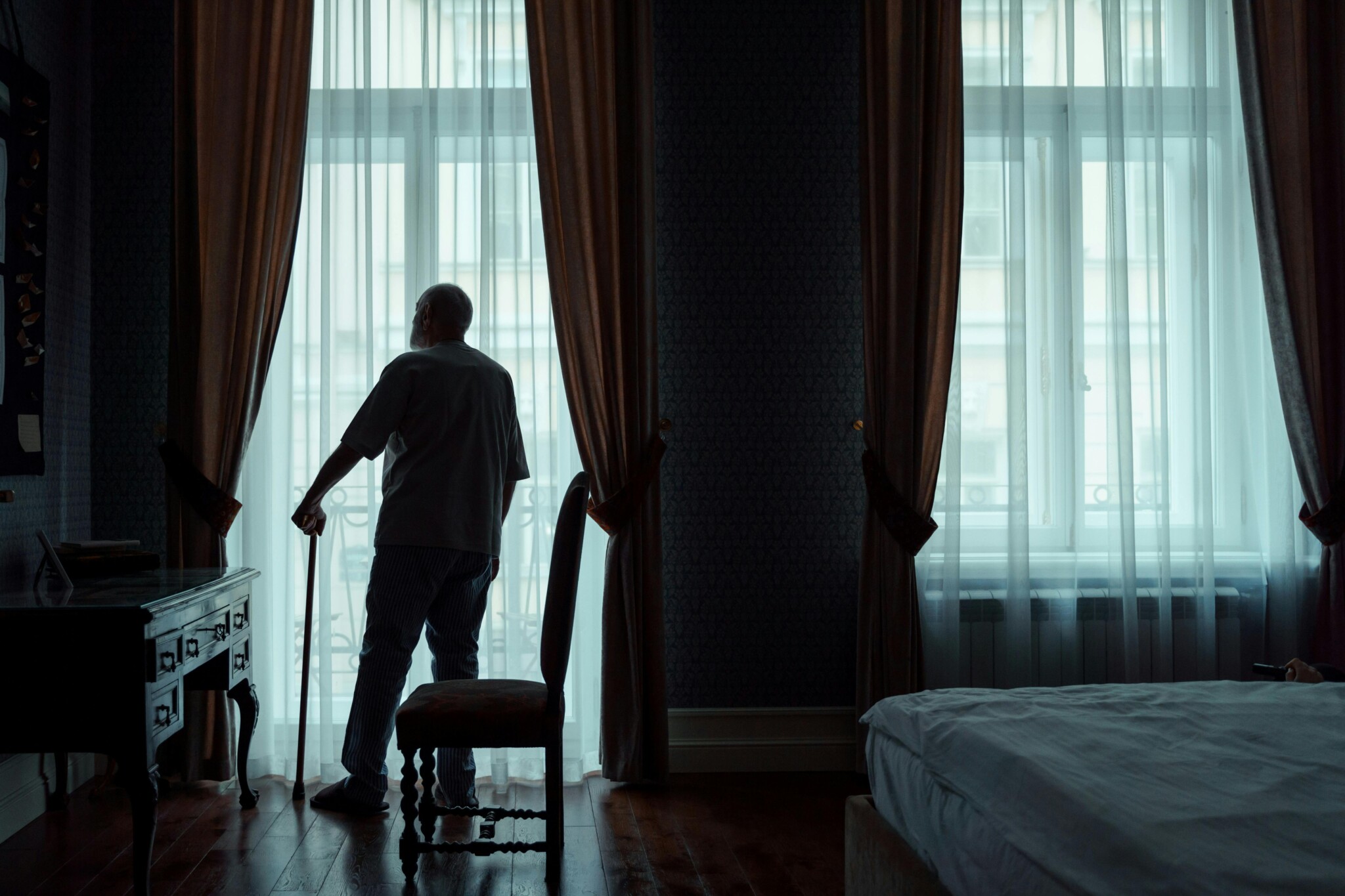
‘Struggling in silence’: Older LGBTQ+ generations face stark inequality, new report reveals
A “sobering” new report by a non-profit housing organisation has revealed the stark inequality faced by older LGBTQ+ people living in the capital.
The report, by Tonic Housing, Precarious Lives, reveals the long-term impacts of discrimination, health conditions and financial stress faced by a “hidden population” of LGBTQ+ over-50s based on a survey of 134 people in London.
Lambeth and Southwark have the third and fourth-highest density of Lesbian, Gay and Bisexual people of any UK boroughs, according to the latest census records, after Brighton & Hove and City of London.
Ian Howley, chief executive of charity LGBT HERO in Effra Road, Brixton, said: “It’s heartbreaking but not surprising. The report lays out, in stark detail, how decades of discrimination, isolation, and poor health outcomes have compounded into real financial hardship.”
According to the report, 64 per cent of those surveyed live alone. Of these, 45 per cent said they struggle financially, with 18 per cent using support from charities like food banks and a quarter reducing the number of meals they ate to save money.
Almost 60 per cent of those surveyed said they would not expect help from support services if they had “serious difficulties” – a distrust based on past experiences of discrimination.
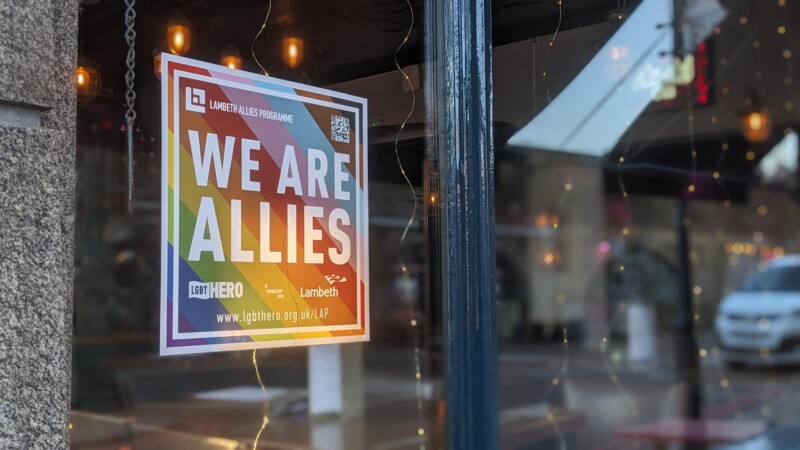
Mr Howley said: “These are people who lived through criminalisation, the AIDS crisis, Section 28, and constant job insecurity. Many have no family support, no safety net, and no access to services that actually understand their needs.”
According to the report, 70 per cent of those surveyed said they suffered from mental health conditions lasting 12 months or more, and 60 per cent were found to be disabled.
More than 30 per cent of men who responded to the survey said they were living with HIV.
Southwark Liberal Democrat leader, Cllr Victor Chamberlain, said: “This report makes for sobering reading, but its findings come as no shock.
“Financial stress, isolation, and discrimination have left too many struggling in silence.”
The survey found that people renting were three times more likely to be financially struggling than homeowners, causing 52 per cent to spend less on food and essentials as a result.
Mr Howley described Lambeth as a “key” part of LGBTQ+ history, but said that rising rents and the closure of LGBT+ venues have made it less accessible for these communities.
He said: “Lambeth is still an important LGBTQ+ borough, but if we don’t actively preserve its history and support our elders, it risks becoming another part of London where LGBTQ+ people are pushed out.”
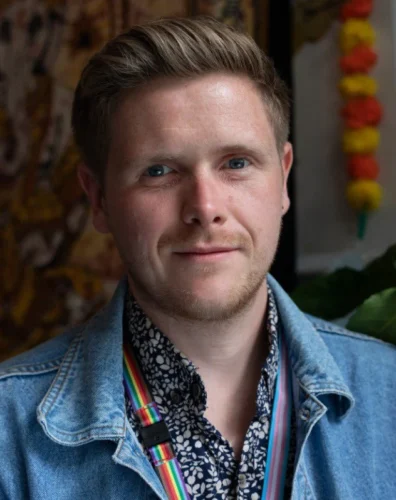
Tonic Housing, established in 2014, developed the UK’s first LGBTQ+ retirement community in Vauxhall in 2022.
Cllr Chamberlain said: “We need a major expansion of social housing, but this report shows why councils must go further: we should be building dedicated council homes for LGBTQ+ older people.
“Tailored housing will not only provide security and dignity in later life but also free up family homes for others.”
Mr Howley echoed calls for dedicated housing as well as financial support and services tailored to older communities.
He said: “This community has always looked after itself, but we can’t do it alone. We need councils, the NHS, and government to recognise that older LGBTQ+ people exist and that they need targeted support now — not when it’s too late.”
Pictured top: The report reveals the long-term impacts of discrimination, health conditions and financial stress faced by a “hidden population” of LGBTQ+ over-50s (Picture: cottonbro/ Pexels)